
Parents · Getting their Ps

When supervision ends, useful influence becomes more important.

Provisional driving brings freedom and a new concentration of independent decisions. Parents can remain connected without trying to control every trip.

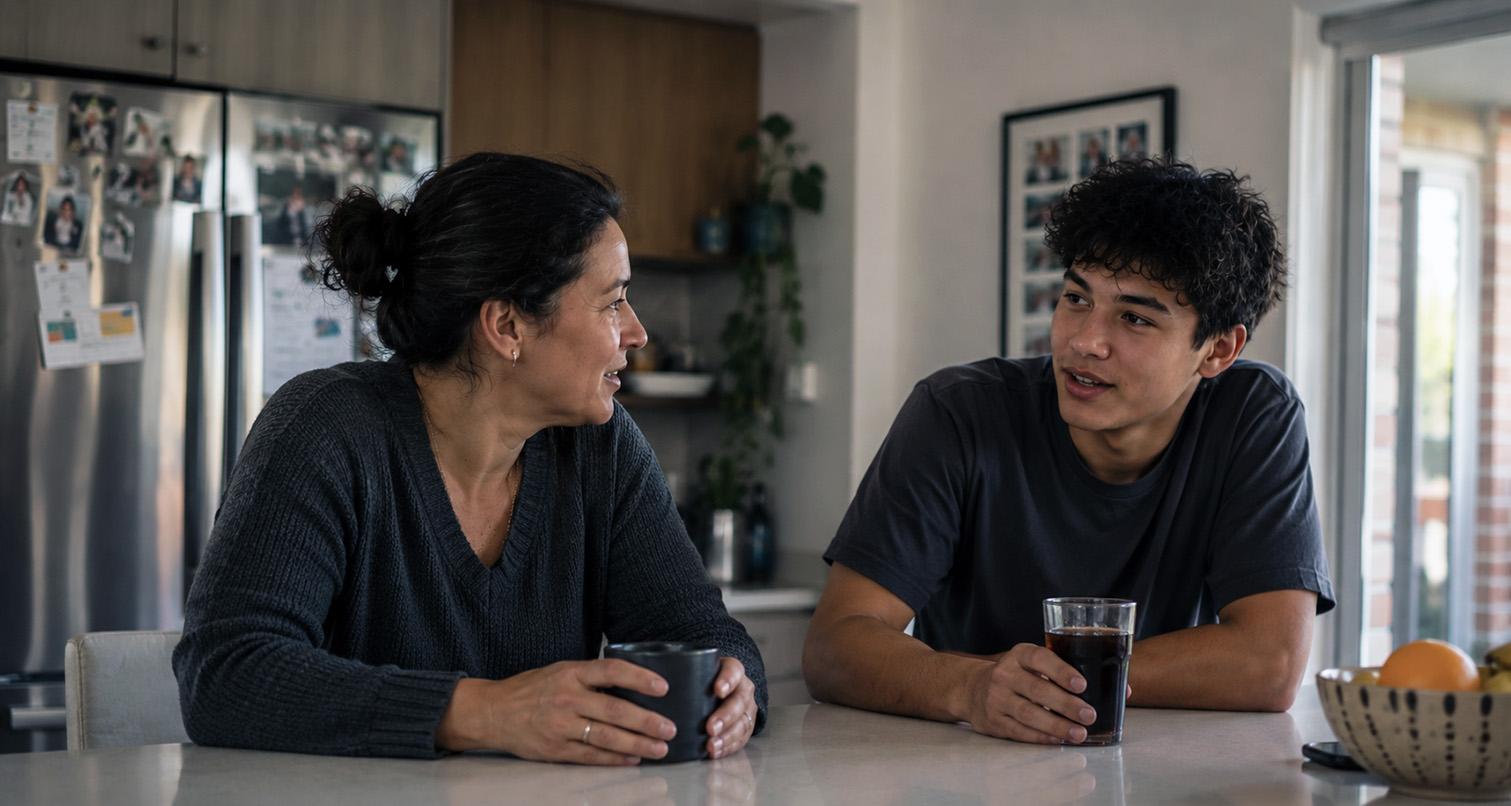
A parent and teenager talking openly at home

A changing role

Move from directing the drive to shaping the conditions around it.

Parents can no longer observe every decision. They can still establish clear expectations about passengers, phones, alcohol, fatigue, night driving and what happens when a plan becomes unsafe.

The most useful expectations are specific, understood and connected to growing experience rather than framed as permanent distrust.

Stay connected

Make it possible to talk about uncertainty and close calls.

If every difficult story produces anger or immediate punishment, a young person learns to withhold information. Calm curiosity makes reflection possible while boundaries remain clear.

Ask about the driveNormalise conversation before there is a problem.
Keep the exit planRemain available for a safe lift when circumstances change.
Review graduallyAdjust expectations as experience and reliability grow.

Independent experience

The test is a milestone, not the end of learning.

New drivers continue developing hazard recognition, attention management and judgement after licensing. Families can support that development by treating each new context as experience to plan and reflect on.

Next step

Understand why risk changes after supervision.

Read the evidence without blame or fear-based framing.