Partners

Extend access without losing the purpose of the work.

BRAKE works with businesses, governments, councils, foundations and community organisations to bring structured road safety education to more young people and places.

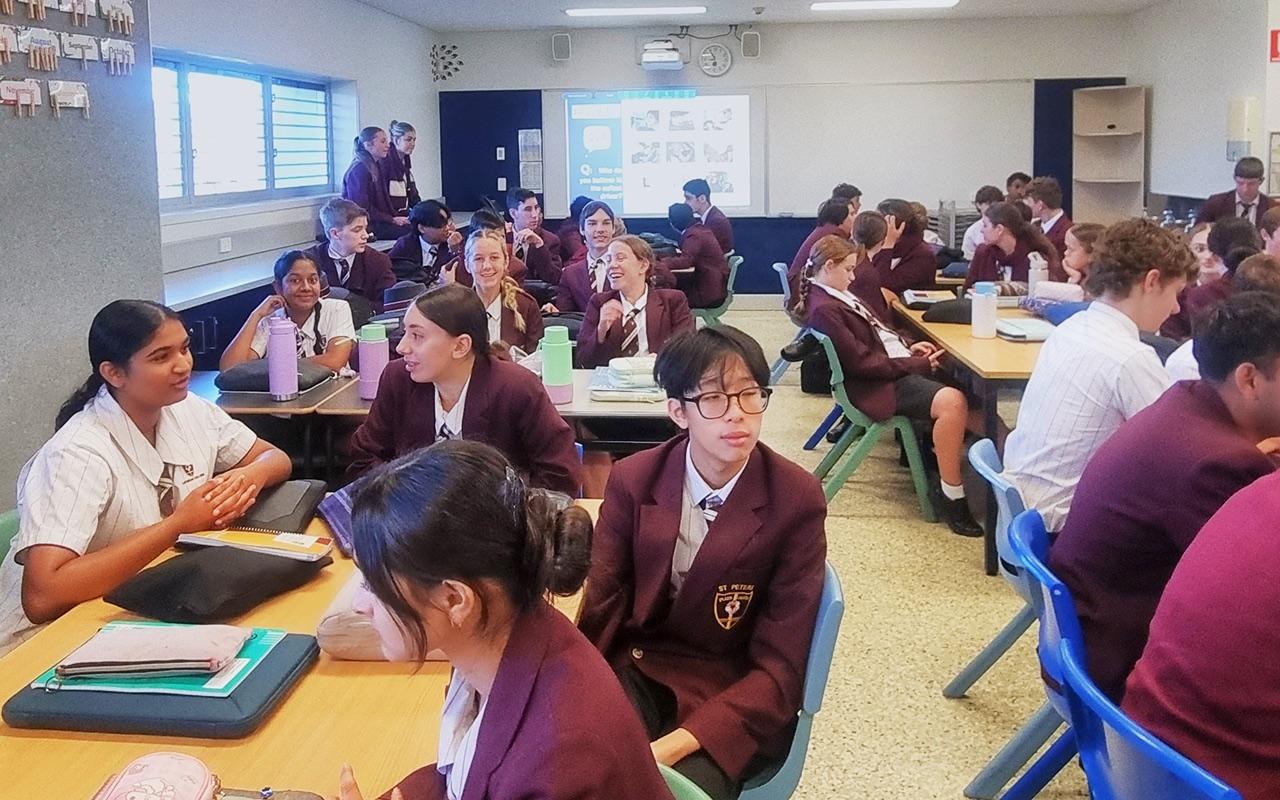
Students taking part in a classroom road safety discussion

Why partner

Support should make meaningful access possible.

A partnership begins with the students, schools or communities it is intended to reach. Geography, need, delivery capacity and useful measures are defined before public communication or visibility is discussed.

BRAKE’s teacher-led model can support individual schools, coordinated regions and targeted education priorities without depending on a presenter visiting every classroom.

Partnership models

Different organisations can contribute in different ways.

The appropriate structure depends on who should benefit and what the partner is equipped to contribute.

School accessEnable a defined school or group of schools to deliver a relevant program.
Regional deliveryCoordinate access across a council area, corridor or regional community.
Program capabilitySupport evidence, technology, accessibility or responsible program development.

Evidence and reporting

Report what the partnership enabled.

Reporting distinguishes inputs, delivery, participation, learning and student response. Longer-term claims are used only where the evaluation design supports them.

Public recognition should be accurate and proportionate. It follows the work rather than becoming the reason for it.

Start

Begin with the people and place you want to support.

Tell us the audience, geography, timeframe and outcome your organisation is considering.