
E-Mobility Education

Prepare young riders for decisions that arrive before a driver licence.

BRAKE E-Mobility Education is designed for students aged 12–16 who use, or are preparing to use, e-scooters, e-bikes and shared road and path environments.

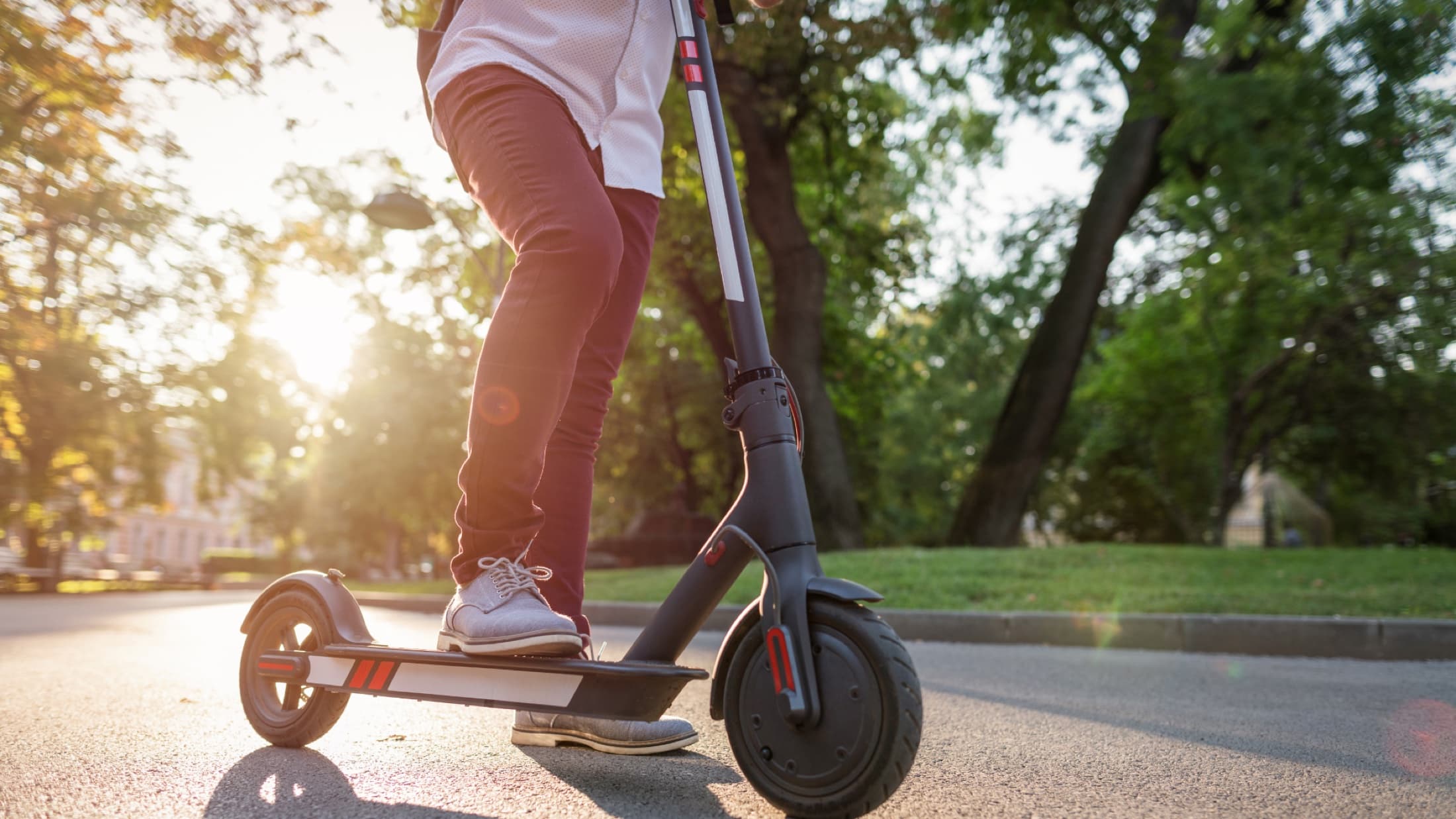
An e-scooter rider travelling in a bright urban environment
12–16

Designed age range

Teacher-led

Delivered in the classroom

Local rules

Jurisdiction context matters

Overview

Mobility is changing faster than experience can accumulate.

E-scooters and e-bikes give young people new independence, often before they have formal road education. Device capability, legal requirements, shared spaces and social riding can combine in unfamiliar ways.

The program treats young people as capable riders who need accurate information, realistic practice and a clear way to judge readiness.

Curriculum

Rules are the starting point. Judgement determines how they are used.

Students examine device compliance, speed, helmets, visibility, path and road interaction, hazard recognition, pedestrians and the effect of peers on riding decisions.

Because rules differ by state and territory and can change, current official guidance is used for the jurisdiction in which the program is delivered.

Device and rider readinessLegal use, equipment, capability and the conditions for independent riding.
Shared environmentsReading paths, streets, driveways, intersections and other road users.
Decisions with othersPassengers, friends, pressure, speed and maintaining a planned response.

Delivery

A classroom setting for decisions made beyond the classroom.

Teachers use prepared scenarios and activities to connect official requirements with the environments students recognise. Schools can use the program as targeted e-mobility learning or as an extension to the core BRAKE sequence.

Delivery planning confirms student age, local rules, devices in use and the road or path issues the school is responding to.

Evidence and outcomes

Measure understanding, readiness and intended choices.

Evaluation distinguishes whether students completed the learning, understood the content and identified safer responses. Claims about longer-term behaviour are made only where the evidence can support them.

Teacher preparation and support

Current information, prepared for local delivery.

Teachers receive the learning sequence, delivery guidance and a clear route for questions. Legal information requires scheduled review because state and territory rules continue to develop.

School contextConfirm the cohort and how students are currently using devices.
Jurisdiction checkUse current official rules for the state or territory.
Parent connectionGive families consistent guidance on readiness, devices and expectations.

Enquire

Respond to e-mobility before unsafe habits become normal.

Tell us the age group, devices and local environment your school is responding to.